

Sheet metal bending is one of the most commonly used processes in metalworking, present in almost every industry from automotive and machinery manufacturing to construction. While it may seem simple at first glance, achieving the perfect angle requires strong professional expertise, precise machine setup, and thorough material knowledge.
In this article, we explain what sheet metal forming is, which factors influence accuracy, and how at Miga-Metall we ensure that every angle meets the highest quality standards.
What is sheet metal bending?
In sheet metal bending, the material is formed to a specific angle using a bending machine (also known as a press brake). The goal is for the sheet to permanently maintain its new shape while preserving structural integrity and surface quality.
Two main types:
Manual bending – for small series or custom pieces
CNC-controlled bending – for tasks requiring high precision and repeatability
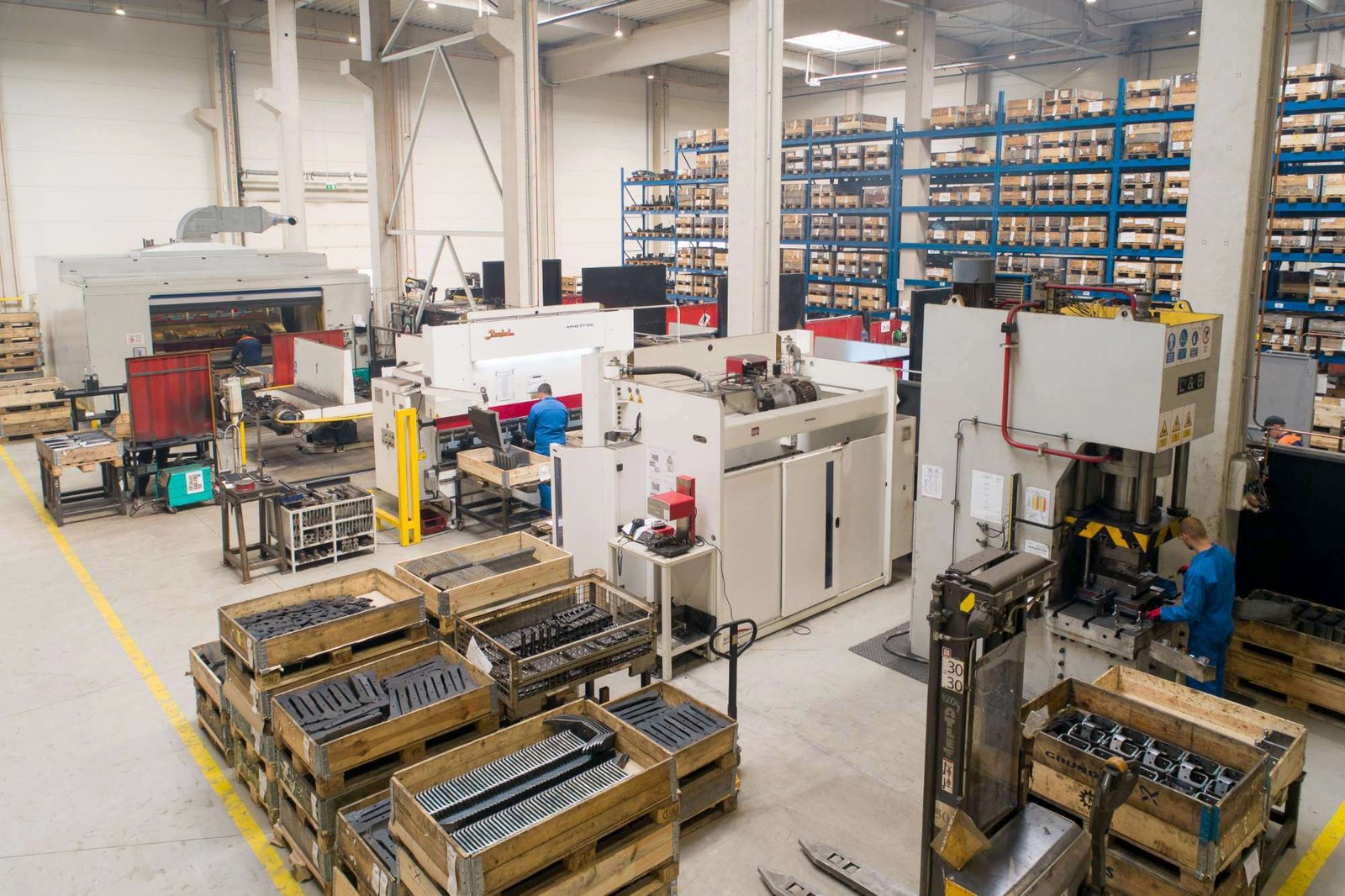
We use state-of-the-art CNC press brakes that guarantee accuracy within a tenth of a millimeter and minimize angle deviations.
Key factors influencing precise bending
Material properties
- Thickness and elasticity determine the required bending force.
- Stainless steel behaves differently from aluminum or copper sheets – this must always be considered when selecting materials.
Tool selection - The size of the V-opening, tool profile, and condition directly affect angle accuracy.
- Worn tools increase the risk of errors and surface damage.
Machine settings - Defining the correct bending force (tonnage) is essential.
- For CNC machines, programming accuracy and measuring system reliability play a crucial role.
Springback - After bending, the material tends to return slightly toward its original form, so compensation is needed to achieve the desired angle.
- Proper setup and experience help minimize this effect.
Steps to achieving the perfect angle
- Material inspection – Measuring thickness, verifying type, and reviewing quality certificates.
- Tool selection – Choosing the right profile and size for the material and bending type.
- Test bend – Producing the first sample piece and checking the angle.
- Fine adjustment – Modifying CNC program, force, and angle.
- Springback compensation – Correcting the angle to match specifications.
- Continuous monitoring – Regular measurement and documentation during series production.
Mistakes to avoid
- Overbending or underbending – caused by incorrect setup or inaccurate tools.
- Material cracking – due to too small a bend radius or improper material choice.
- Surface damage – resulting from tool wear or contamination.
- Angle deviation in series – caused by lack of continuous quality control.
How we ensure precise bending at Miga-Metall
- Modern CNC press brakes – guaranteed accuracy and repeatability.
- Experienced specialists – years of practical expertise in metalworking.
- Customized solutions – for special projects and unique materials.
- Quality assurance – every piece meets the customer’s requirements.
Whether it’s a one-off, complex component or high-volume series production, Miga-Metall ensures the highest level of precision in every case.
The key to precise sheet metal bending lies in thorough material knowledge, careful preparation, proper tool selection, and accurate machine setup. At Miga-Metall, all these factors are guaranteed, giving our customers confidence that the results will always meet the strictest industrial standards
Request a quote today and entrust your bending projects to the professionals!

